
George Hallett Research Collection
About
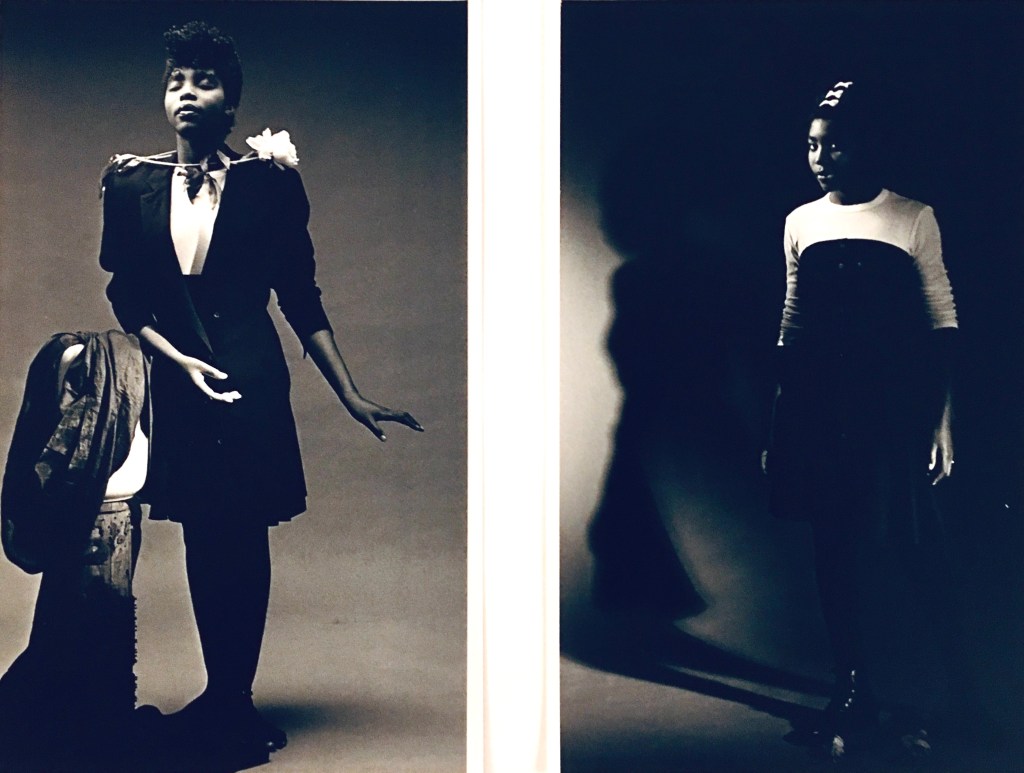
The George Hallett Research Collection is a collection of photographic prints, books, magazines, newspaper articles, jazz records, and other archive material focused on the practice of South African photographer George Hallett (1942-2020), gathered under the care of Dr Christine Eyene.
Since 2020, the collection has been managed in dialogue with the Estate of George Hallett represented by his daughter Mymoena Hallett.
Developed organically in the mid-1980s in the context of family ties and photographic collaboration, research and writing in the 1990s, and curatorial projects in the early 2000s, the collection took a more formal turn in 2014 with the visit of George Hallett to England as part of the exhibition Consigned for Future Memory curated by Eyene in the framework of Making Histories Visible, an interdisciplinary visual arts research project established by the artist and Professor of Contemporary Art Lubaina Himid CBE RA at the University of Lancashire. This exhibition was the first iteration of a research display bringing together photographs by Hallett, alongside books from the African Writers Series for which he designed the covers, and other material gifted by the photographer over the years.
Since 2005, works from the collection have both featured in projects curated by Eyene and been lent to art institutions notably as part of Africa 05, London, 2005; Bonhams, London, 2010; Peter Clarke: Wind Blowing on the Cape Flats, Institute of International Visual Arts, London, 2013; The Chimurenga Library (curated by Chimurenga, Otolith Collective, and The Showroom), The Showroom, London, 2015; Murder Machine, Ormston House, Limerick as part of EVA International 2016 (Artistic Director Koyo Kouoh); Nelson Mandela’s Centenary, BOZAR, Brussels, 2018; Embedded Text – Embodied Narrative, Peltz Gallery, Birkbeck, University of London, 2023; and George Hallett: Home and Exile, Clémentine de la Féronnière, Paris, 2025, as part of Centre Pompidou’s programme “Échos Paris noir”, touring to Exhibition Research Lab, Liverpool in April 2026, and Bristol Photo Festival in October 2026.
The George Hallett Research Collection receives support from Lubaina Himid Projects.
For more information, enquiry, or loan requests, contact us here.
George Hallett
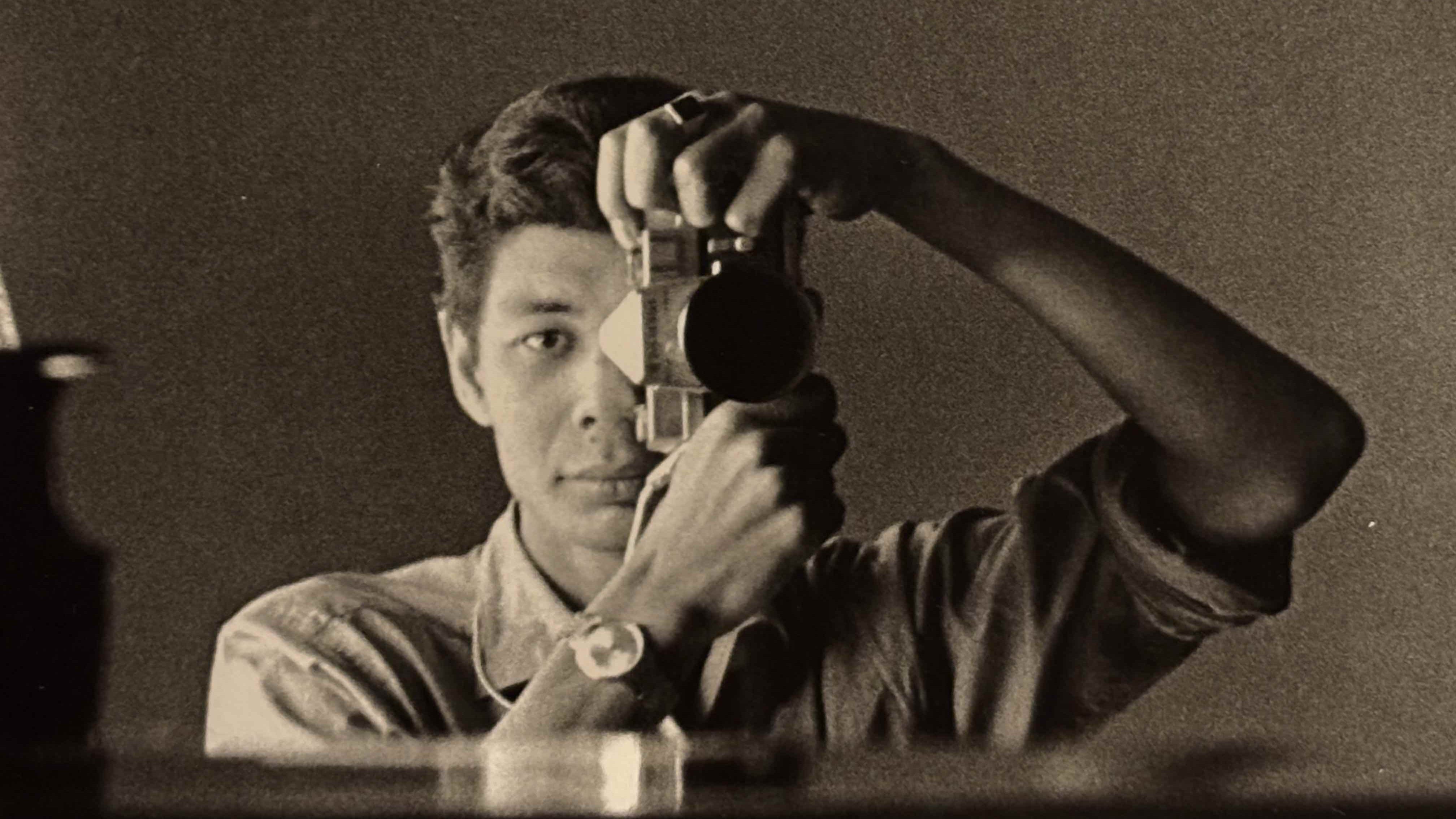
From Hallett and McKenzie (ed), District Six Revisited. Johannesburg: Wits University Press, 2007.
George Hallett (1942–2020) was born in Cape Town (South Africa) and was raised by his grandparents in the fishing village of Hout Bay. His interest in photography grew from seeing images in his uncle’s copies of National Geographic magazine and going to film screenings at his primary school.
Moving back to Cape Town for secondary school, Hallett attended South Peninsula High School in Diep River where his English teacher, Richard Rive, introduced him to the work of international and local writers including James Matthews, Alex La Guma, and writers from The Sestigers movement such as Jan Rabie, Uys Krige, and Breyten Breytenbach. Another important figure in Hallett’s formative years was artist and writer Peter Clarke.
George Hallett began his career as a self-taught street photographer in the mid 1960s. His early work included images of Hout Bay, jazz musicians, and District Six which James Matthews and Peter Clarke encouraged him to document before its demolition.
Racial discriminations, instances of violence, and the lack of professional opportunities led him to exile in 1970. He first settled in England before moving to the south of France, Amsterdam and Paris until his return to South Africa after the country’s first Democratic Elections. During his time in exile, Hallett photographed fellow South Africans who were activists, writers, visual artists and musicians; British society; farmer communities in the Pyrenees; fashion; and many other topics.
Highlights in his body of work include assignments for The Times Educational Supplement in the 1970s, photographic compositions and designs for Heinemann’s African Writers Series book covers and jazz records sleeves (1970s-80s), as well as his coverage of Nelson Mandela’s first presidential campaign that earned him a World Press Photo Award in 1995. He was also an official photographer for the Truth and Reconciliation Commission in 1997.
Upon returning to South Africa, Hallett photographed the new political and social landscape, while pursuing his interest in portraying African writers, Black classical dancers from the Dance for All project, and jazz musicians.
George Hallett has exhibited both in South Africa and internationally since 1970. Recent exhibitions include George Hallett: Home and Exile, Exhibition Research Lab, Liverpool, 2026, and Clémentine de la Féronnière, Paris, 2025; Peltz Gallery, London, 2023; Michaelis Galleries, Cape Town, 2022; Bozar, Brussels, 2018; Bamako Encounters: African Biennale of Photography, Bamako, 2017; EVA International, Ormston House, Limerick, 2016. He was also part of Rise and Fall of Apartheid: Photography and the Bureaucracy of Everyday Life curated by Okwui Enwezor at the International Center of Photography, New York, 2012 that toured to Haus der Kunst, Munich and Padiglione d’Arte Contemporanea, Milan in 2013, and Museum Africa, Johannesburg in 2014-15.
His work is in private and public collections including Iziko – South African Art Gallery; Michaelis School of Fine Art – University of Cape Town; District Six Museum and Bo-Kaap Museum, Cape Town; Schomburg Centre for Research in Black Culture, New York Public Library, New York.
On 1st July 2020, George Hallett passed away after a long illness.
The George Hallett Research Collection receives support from Lubaina Himid Projects.
Back to George Hallett Research Collection

eye.on.art
Subscribe
Subscribe to eye.on.art and receive our latest news.

